
Ever found yourself staring at a wall of rivets at your local hardware store, completely overwhelmed by the options? You’re definitely not alone. Whether you’re tackling a weekend DIY project or working on something more industrial, picking the right rivet can make or break your results. But how do you know which one is perfect for your specific needs?
Rivets might seem like simple little fasteners, but they’re actually engineering marvels that have been holding things together for centuries. From the Sydney Harbour Bridge to your garden shed, these permanent fasteners play a crucial role in countless applications. Getting your selection right means the difference between a rock-solid join and a frustrating failure down the track.
In this guide, we’ll walk you through everything you need to know about selecting the perfect rivets for your project. You’ll learn about the different types available, how to work out the right size, which materials suit Australian conditions best, and where to find quality supplies on the Central Coast. By the end, you’ll feel confident making the right choice for any fastening challenge that comes your way.
Understanding the Basics: What Are Rivets and How Do They Work?
The Anatomy of a Rivet
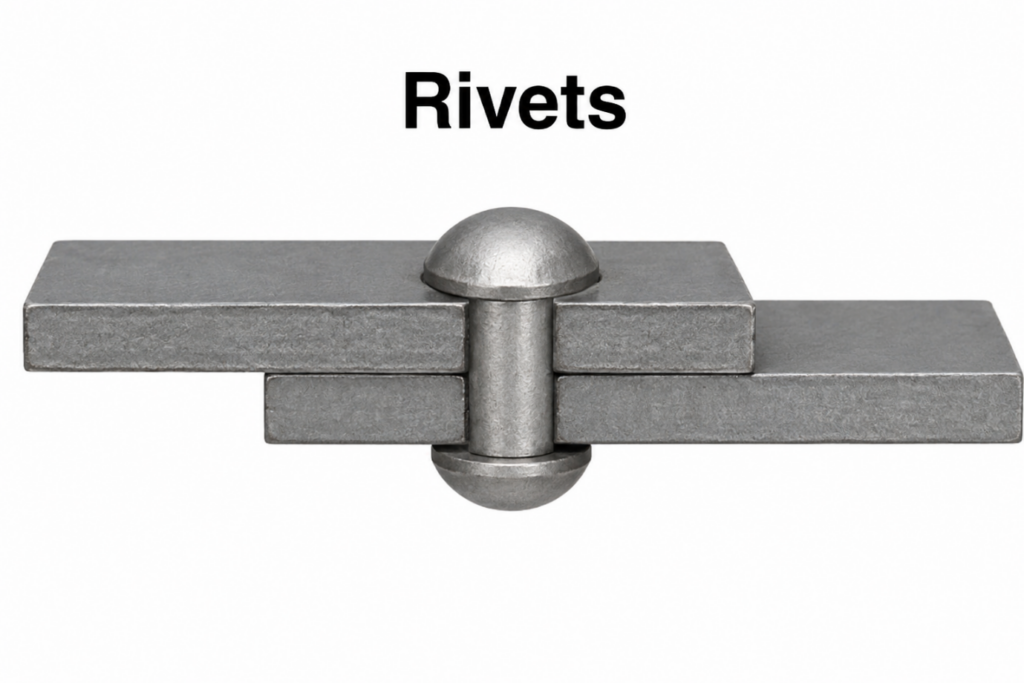
A rivet consists of two main parts: the body (or shank) and the head. The body is the cylindrical section that passes through your materials, while the head sits on one side to prevent the rivet from pulling through. Some rivets, particularly blind rivets, also have a mandrel – that’s the pin in the centre that gets pulled to set the rivet.
How Rivets Create Permanent Fastenings
When you install a rivet, you’re essentially deforming the material to create a mechanical lock. The tail end of the rivet expands or mushrooms out, clamping your materials together permanently. Unlike screws or bolts, rivets don’t rely on threads. This makes them brilliant for applications where vibration might loosen threaded fasteners over time.
Types of Rivets Available on the Central Coast
Pop Rivets (Blind Rivets)
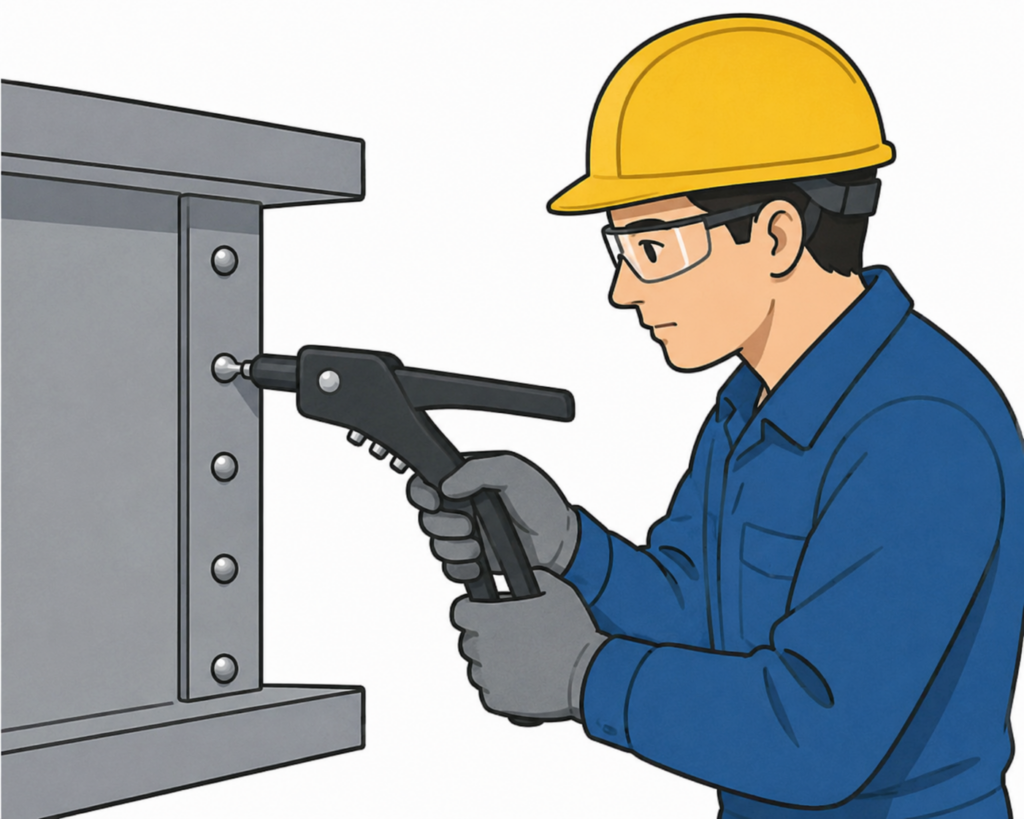
Pop rivets are probably the most common type you’ll encounter. They’re called “blind” because you only need access to one side of your workpiece. Perfect for DIY projects, they’re quick to install with a simple hand tool.
Solid Rivets
These are the traditional heavy-duty options. Solid rivets require access to both sides and a bucking bar to set them properly. You’ll find them in aircraft and structural applications where strength is non-negotiable.
Structural Rivets
Designed for high-strength applications, structural rivets lock in place and resist vibration exceptionally well. They’re ideal for construction projects and heavy-duty assemblies.
Drive Rivets and Tubular Rivets
Drive rivets are set with a hammer blow and work brilliantly for softer materials. Tubular rivets, on the other hand, are lighter-weight options often used in leatherwork, textiles, and light fabrication.
What Are the Different Types of Rivets Used For?
Automotive and Transport Applications
In the automotive world, rivets secure body panels, trim pieces, and interior components. They’re particularly valuable in areas subject to constant vibration where screws might work loose.
Construction and Building Projects
From metal roofing to structural connections, rivets provide reliable permanent fastenings. They’re especially useful when welding isn’t practical or when joining dissimilar materials.
Marine and Coastal Environments
Here on the Central Coast, marine applications demand corrosion-resistant fasteners. Stainless steel and aluminum rivets are the go-to choices for boats, jetties, and coastal structures.
DIY Home Improvement Projects
For weekend warriors, pop rivets are fantastic for guttering, fencing, and general metal fabrication. They’re easy to use and deliver professional results without specialist skills.
How Do I Know What Size Rivet I Need?
Measuring Material Thickness
Start by measuring the combined thickness of the materials you’re joining. This is your stack-up thickness, and it’s the foundation for calculating the correct rivet size.
Calculating Grip Range
Every rivet has a grip range – the minimum and maximum material thickness it can fasten effectively. Your stack-up thickness must fall within this range. If it doesn’t, you’ll either have a loose joint or the rivet simply won’t set properly.
Determining Hole Size Requirements
The hole diameter must match your rivet diameter closely. Too tight and you can’t insert the rivet; too loose and you’ll lose clamping force. Check the manufacturer’s specifications for the recommended drill size.
Choosing the Right Rivet Material
Aluminium Rivets
Lightweight and corrosion-resistant, aluminium rivets are perfect for general-purpose applications. They’re particularly good for joining aluminium sheets.
Stainless Steel Rivets
For maximum corrosion resistance, stainless steel is your best mate. They’re stronger than aluminium and ideal for outdoor applications across Australia.
Steel and Copper Rivets
Plain steel rivets offer excellent strength but need protection from rust. Copper and brass rivets provide aesthetic appeal plus good corrosion resistance – brilliant for decorative work.
Which Material Is Best for Outdoor Use in Australia?
Given our harsh UV exposure and coastal salt air, stainless steel rivets are the top choice for outdoor applications. They’ll stand up to Australian conditions year after year.
Are Rivets Stronger Than Screws?
Comparing Load-Bearing Capacity
In shear strength (sideways force), rivets often outperform screws of similar size. Their solid construction distributes the load more evenly across the joint.
When to Choose Rivets Over Screws
Choose rivets when you need a permanent, tamper-resistant joint. They’re also superior in high-vibration environments where screws might back out over time.
What Tools Do I Need to Install Rivets?
Manual Rivet Guns
For occasional use, a hand-operated rivet gun is affordable and gets the job done. They’re available at any good hardware store on the Central Coast.
Pneumatic and Cordless Options
For bigger projects, pneumatic or cordless rivet tools speed things up dramatically. They reduce fatigue and deliver consistent results across hundreds of rivets.
Common Mistakes to Avoid When Selecting Rivets
Ignoring Environmental Factors
Forgetting about moisture, salt air, or temperature extremes leads to premature failure. Always consider where your finished product will live.
Incorrect Sizing and Material Compatibility
Using the wrong grip range or mixing incompatible metals causes galvanic corrosion. Aluminium rivets in steel, for instance, will corrode rapidly in wet conditions.
Where to Buy Quality Rivets on the Central Coast
What to Look for in a Reliable Supplier
Seek out suppliers with strong product knowledge and a wide range of options. They should be able to advise on the right rivet for your specific application.
Benefits of Buying Locally
Local suppliers understand Central Coast conditions. Plus, you can inspect products firsthand and get expert advice face-to-face. Those beats guessing online every time.
Conclusion: Making the Right Choice for Your Project
Choosing the right rivets doesn’t have to be complicated once you understand the basics. We’ve covered the main types, materials, sizing considerations, and application guidelines that’ll help you make confident decisions for any project.
Remember, the key factors are matching your rivet to the material thickness, choosing appropriate materials for your environment, and using the right installation tools. Whether you’re fixing up a boat, building a pergola, or working on something industrial, there’s a perfect rivet out there for your needs.
So next time you’re wandering through the fastener aisle, you’ll know exactly what you’re looking for. Take your time, consider the conditions your project will face, and don’t hesitate to ask your local Central Coast supplier for advice. They’re there to help, and getting it right the first time saves both money and frustration down the track. Happy building!