
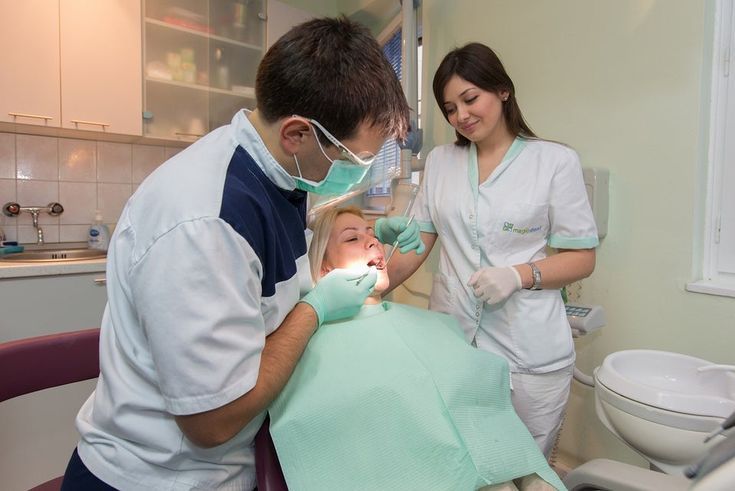
Do you break into a cold sweat at the mere thought of sitting in a dentist’s chair? Does the sound of a dental drill make your heart race? Perhaps you’ve been putting off that check-up for months—or even years—because visiting the dentist feels overwhelming? If any of this sounds familiar, you’re definitely not alone.
Dental anxiety affects millions of Australians, and it’s nothing to be ashamed of. Whether your fear stems from a negative childhood experience, concerns about pain, or simply feeling out of control at the dentist, these feelings are incredibly common and completely valid. The good news? There are plenty of practical strategies and support options available to help you manage your fears and feel more comfortable visiting the dentist.
In this article, we’ll explore what causes dental fear, how common it really is, and most importantly, how to get over your fear of the dentist. You’ll discover relaxation techniques, learn about sedation options available in Australia, and find tips for building positive experiences over time. By the end, you’ll have a toolkit of strategies to help you confidently take that first step towards a healthier smile with your dentist.
Understanding Dental Fear and Anxiety
What Causes Fear of the Dentist?
Dental fear can develop for numerous reasons, and understanding yours is the first step towards overcoming it. For many people, a traumatic experience during childhood—perhaps a painful procedure or an unsympathetic dentist—creates lasting negative associations. Others develop anxiety from hearing horror stories from friends or family members.
The loss of control that comes with lying back in a dental chair can also trigger fear. You’re in a vulnerable position, unable to see what’s happening, and relying entirely on someone else. Additionally, concerns about pain, needles, or the sounds and smells associated with dental practices all contribute to anxiety levels.
Some people experience embarrassment about the condition of their teeth, particularly if they’ve avoided the dentist for a long time. This creates a vicious cycle where fear leads to avoidance, which worsens dental health, which increases embarrassment and fear.
What Is Dental Phobia Called?
Severe fear of the dentist has a clinical name: dentophobia or odontophobia. This goes beyond typical nervousness and can significantly impact a person’s quality of life. People with dental phobias may experience panic attacks at the thought of dental treatment.
The Difference Between Dental Anxiety and Dental Phobia
While these terms are often used interchangeably, there’s an important distinction. Dental anxiety involves worry and unease about dental visits, but you can still make yourself attend appointments. Dental phobia, on the other hand, is an intense, irrational fear that leads to complete avoidance of dental care, often for years at a time.
How Common Is Fear of Going to the Dentist?
Dental Anxiety Statistics in Australia
You might be surprised to learn just how widespread dental anxiety really is. According to research, approximately one in six Australian adults experiences high levels of dental fear. That’s roughly 16% of the population who find dental visits genuinely distressing.
What’s more, around 10% of Australians avoid dental care entirely due to fear. This translates to millions of people putting their oral health at risk because their anxiety feels insurmountable.
Why Do So Many Adults Avoid the Dentist?
Beyond fear itself, several factors contribute to dental avoidance in Australia. Cost concerns often combine with anxiety to create additional barriers. Some people also struggle to find time for appointments or feel they can manage without professional care.
However, avoiding regular dental visits typically leads to more significant problems down the track. Small issues that could be addressed quickly become major procedures requiring more extensive—and potentially more anxiety-inducing—treatment.
How to Get Over Fear of the Dentist: Practical Strategies
Start with a Consultation Only
One effective approach is booking an initial appointment that doesn’t involve any treatment. Simply meet the dentist, discuss your concerns, and familiarise yourself with the environment. This removes the pressure and helps you build trust before any actual procedures.
Communicate Your Fears with Your Dentist
Open communication is absolutely key. Tell your dentist exactly what frightens you—whether it’s needles, pain, or feeling trapped. A good dentist will listen without judgement and work with you to make the experience as comfortable as possible.
Bring a Support Person to Your Appointment
Having someone you trust beside you can make a world of difference. Most dental practices welcome support people, and their familiar presence can help you feel safer and calmer throughout your visit.
Use Relaxation Techniques Before and During Visits
Deep breathing exercises, progressive muscle relaxation, or even listening to calming music through headphones can significantly reduce anxiety. Practice these techniques at home first so they feel natural when you need them most.
Establish a Stop Signal with Your Dentist
Agree on a simple signal—like raising your hand—that tells your dentist you need a break. Knowing you have control over when things pause can dramatically reduce feelings of helplessness.
What Can Dentists Do to Help Anxious Patients?
Sedation Dentistry Options in Australia
Many Australian dental practices now offer sedation options specifically designed for anxious patients. These range from mild sedatives that help you relax while remaining fully conscious to deeper sedation that makes you drowsy throughout the procedure.
How Does Sleep Dentistry Work?
Sleep dentistry, or IV sedation, involves administering sedative medication through a small needle in your arm. You’ll feel deeply relaxed and may not remember much about the procedure afterwards. You’re not actually asleep—you can still respond to instructions—but you’ll feel wonderfully calm and detached from any anxiety.
Finding an Anxiety-Friendly Dental Practice
Look for practices that specifically advertise their experience with nervous patients. Read online reviews from other anxious patients, and don’t hesitate to call ahead and ask about their approach to dental anxiety.
Taking the First Step Towards a Healthier Smile
Overcoming dental fear isn’t something that happens overnight, and that’s perfectly okay. What matters is recognising that your anxiety is valid, understanding that help is available, and taking small steps forward—especially when it comes to visiting a dentist at your own pace.
Remember, you’re far from alone in this journey. Millions of Australians share your fears, and countless people have successfully managed their anxiety about the dentist using the strategies we’ve discussed. From relaxation techniques and open communication to sedation options and professional support, there’s a path forward that makes visiting the dentist more comfortable and manageable.
The most important thing is making that first move—whether it’s researching anxiety-friendly dentist options in your area, booking a consultation-only appointment, or simply talking to someone about your fears. Your oral health is worth the effort, and with the right support from a caring dentist, you absolutely can build a more positive relationship with dental care. Take a deep breath, be kind to yourself, and know that a healthier, happier smile is within your reach.