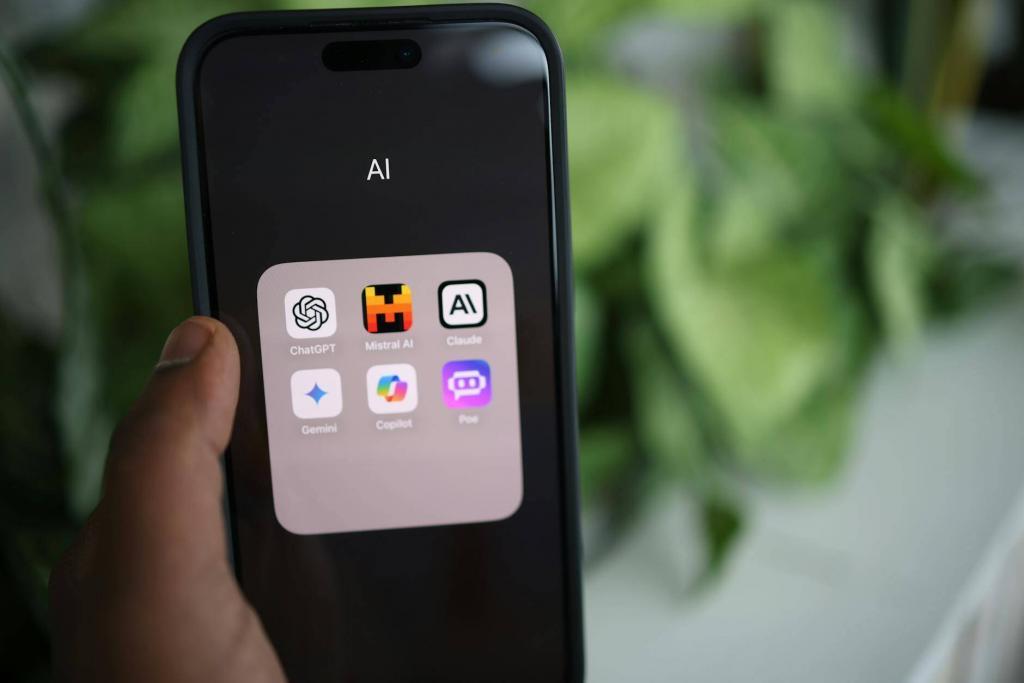

As the capabilities of artificial intelligence improve, more and more business use cases emerge. And as AI becomes more capable, humans become more fearful about being replaced in the working world. But while AI is certainly a threat to some jobs, certain roles require a human touch. Whether it’s unique or specific cases that AI isn’t capable of understanding, or conversations that require empathy, here are some situations where the human advantage lies with humans.
- The Angry Customer
We’ve all been in situations where we’re simply not happy with the product or service we’ve been provided with. While some customers can deal with this, others become angry and frustrated. Unlike robots and algorithms, humans are able to deduce other humans’ moods from things like facial expressions, tone, and body language.
As a result, in situations where a customer has been overcharged, sent the wrong product or similar, a human would be better placed to deal with the issue. Businesses should consider this when trying to integrate AI into customer service departments.
- The Confused Caller
AI can be a great help when we know what we need. But what about when the human is confused? Think about situations where you weren’t sure who to call, which department to speak to, and so on. These types of scenarios don’t follow a chatbot’s predefined pathway and instead require a human to ask the right questions to clarify the situation.
This is why a phone answering service would continue to use humans rather than replacing its staff with AI receptionists.
- The Complex Problem
AI learns from previous scenarios, so when a new, complex problem arises that the bot hasn’t dealt with before, things can become a little tricky. Consider a new software launch, and on the first day, customers are struggling to use it. AI will be encountering problems for the first time, but a human could’ve spent the last month being trained on how to use the software.
- The High-Risk Settings
AI still hasn’t reached the point where it can answer queries with 100% accuracy. While in some settings this doesn’t lead to any issues, there are certain high-risk settings where you can’t afford to be fed the wrong information.
If dealing with a matter in the health, legal or financial space, an error can have drastic consequences. In these situations, it’s better to deal with an experienced human such as a GP, a lawyer or a financial advisor.
- The Sensitive Conversation
Not all conversations are easy, and sometimes we’ll need to speak to a business about a bereavement, a financial difficulty or a personal issue. Sometimes we just feel more comfortable sharing these details with a human compared to a robot. Not only that, but a human can offer sympathy and understanding in these scenarios, whereas a robot is likely to deliver a cold, automated message.
Final Thoughts
There are certainly situations where AI beats humans. Usually, these are scenarios where speed is required, or simple scenarios where AI can easily understand what the customer is looking for. But the examples above prove there’s still a place for humans in the business world, especially in customer service settings that involve sensitive data and upset customers.