
Search engine optimization (SEO) helps websites become more visible in search results and reach people looking for relevant information, products, or services. However, maintaining strong search performance requires regular attention. Small SEO mistakes may seem harmless at first, but when they remain unnoticed, they can create bigger problems for website visibility, organic traffic, and overall performance. Many website owners focus on publishing new content and targeting keywords while overlooking existing technical issues, outdated information, and weak internal linking. These problems may not cause an immediate ranking decline, but they can gradually make it harder for search engines to understand and evaluate important pages. SEO problems often become more difficult to manage when several issues affect the same website. Poor content organization, missing metadata, and indexing errors can reduce the effectiveness of otherwise useful pages.
Understanding how small SEO mistakes develop into larger ranking problems helps website owners identify weaknesses early, protect their website’s search visibility, and build a stronger foundation for long-term organic growth.
Why Small SEO Mistakes Should Never Be Ignored
Small SEO mistakes are easy to overlook because their effects are not always immediately visible. A website may continue receiving impressions and clicks even when some pages contain optimization problems. However, ignoring these weaknesses can make future improvements more difficult. Search engines use different systems to discover, understand, and rank website content. When important pages have unclear information, weak navigation, or technical restrictions, search engines may struggle to process them effectively. Not every SEO mistake causes a ranking decline. The impact depends on the type of issue, the importance of the affected page, and how well the rest of the website performs. Regular website reviews help identify problems before they affect a larger number of pages. Addressing weaknesses early also makes it easier to maintain accurate content and a consistent website structure.
Poor Keyword Optimization Can Reduce Content Relevance
Keywords help search engines and readers understand the main subject of a webpage. However, incorrect keyword usage can weaken content quality and make a page less relevant to its intended audience. One common mistake is using the same keyword repeatedly without considering whether it fits naturally into the content. This can make the writing difficult to read and reduce its usefulness. Another issue occurs when a webpage targets keywords that do not match the information it provides. Even if the page appears in search results, it may struggle to satisfy the needs of people searching for that topic.
Effective keyword optimization starts with understanding search intent. Each important page should focus on a clear subject and answer the questions associated with it. Related terms should appear naturally where they improve understanding. The main objective is to create helpful information rather than force keywords into every paragraph.
Missing or Weak Meta Tags Can Affect Search Visibility
Meta titles and descriptions play an important role in how webpages are presented in search results. A poorly written title may fail to explain what a page offers, while an unclear meta description may make the result less appealing to potential visitors. Missing or duplicate title elements can also make it harder to distinguish between pages with similar subjects. Search engines may generate their own title links when the available information is unclear or does not accurately represent the content. Although meta descriptions are not a direct Google ranking factor, they can help communicate a page’s value when Google chooses to display them. Clear descriptions may encourage relevant users to visit the website.
Businesses looking to improve their online presence can work with Smart Leading Solutions, a digital marketing company that provides SEO and digital marketing services. Its services include website optimization, content improvement, keyword research, and strategies to improve organic search visibility. A structured approach to reviewing page titles, descriptions, and content relevance can help businesses identify weaknesses and improve their overall search performance.
Effective metadata should accurately represent each webpage, use natural wording, and make its main purpose easy to understand.
Broken Internal Links Can Weaken Website Structure
Internal links connect related pages within a website. They help visitors discover useful information and allow search engines to find and understand the relationship between different pages. When internal links lead to missing pages or incorrect URLs, the website becomes harder to navigate. Visitors may encounter errors, while search engine crawlers may have difficulty following important content pathways. A weak internal linking structure can also leave valuable pages disconnected from the rest of the website. These pages may receive less attention because they are difficult to discover through normal navigation. Internal links should connect genuinely related content and use descriptive anchor text. Website owners should also review existing links after changing URLs or removing pages. Maintaining a clear internal linking structure improves usability, supports content discovery, and helps search engines understand how different sections of the website are connected.
Duplicate Content Can Create SEO Confusion
Duplicate or very similar content is another issue that website owners sometimes overlook. It occurs when multiple URLs contain identical or substantially similar information. Duplicate content does not automatically result in a Google penalty. However, it can make it harder for search engines to determine which URL should appear in search results. When multiple pages serve the same purpose, they may compete for similar search queries or divide signals that could otherwise support one clear page. Website owners should review pages with overlapping topics and determine whether each one provides a distinct benefit to readers. Canonical tags, redirects, and thoughtful content consolidation can help manage duplicate URLs when appropriate. The correct solution depends on whether the pages need to remain accessible and how they fit into the website’s structure. Maintaining unique, relevant content helps make each important page’s purpose clearer.
Outdated Content Can Gradually Lose Its Value
Content that was useful when first published may become less accurate or relevant over time. Information changes, search expectations develop, and competing websites may publish more complete resources. Outdated pages can lose their usefulness when they contain incorrect details, broken references, or information that no longer addresses current user needs. Not every older article requires frequent updates. Content should be reviewed according to how quickly the subject changes and whether the information remains accurate. Website owners should focus on correcting outdated facts, replacing unreliable references, and improving explanations that are no longer clear. Updating content should add genuine value rather than simply changing publication dates or adding unnecessary words. A well-maintained website gives readers access to dependable information and supports the overall quality of its content.
Slow Website Performance Can Affect User Experience
Website performance is an important part of providing a positive user experience. Pages that load slowly, respond poorly, or shift unexpectedly can make it difficult for visitors to access information. These issues may become more noticeable on mobile devices or slower internet connections. When a website is difficult to use, visitors may leave before completing their intended actions. Google uses Core Web Vitals as part of its ranking systems, but good performance scores alone do not guarantee higher rankings. Content relevance and other signals still matter. Common performance issues include oversized images, excessive scripts, inefficient page resources, and unnecessary third-party elements. Improving loading behavior, visual stability, and responsiveness helps create a more comfortable browsing experience. Website performance should be reviewed regularly, especially after design changes, plugin updates, or the addition of new website features.
Indexing Problems Can Keep Important Pages Out of Search Results
Indexing allows search engines to store information about webpages and consider them for inclusion in search results. When important pages are not indexed, they generally cannot receive normal organic search visibility through Google. Indexing problems can develop from incorrect technical settings, blocked crawling, unintended noindex directives, redirect errors, or difficulties accessing content. Some pages may also remain unindexed because Google does not consider them suitable for inclusion. Indexing is not guaranteed simply because a page exists or has been submitted through a sitemap. Website owners should use Google Search Console to review indexing reports and identify important URLs that need attention.
Technical settings should be checked carefully before making changes, because not every excluded page represents a problem. Ensuring that valuable pages are accessible, properly linked, and technically eligible for indexing is an essential part of maintaining search visibility.
Poor Mobile Usability Can Create Larger Website Problems
Many people use smartphones to search for information and browse websites. A website that works well on a desktop computer may still provide a poor experience on smaller screens. Difficult navigation, crowded layouts, unreadable text, and buttons placed too close together can make mobile browsing frustrating. Google primarily uses the mobile version of a website’s content for indexing. Therefore, important information should remain accessible across different screen sizes. Responsive design can help pages adjust to different devices while maintaining consistent content and functionality. Website owners should also check whether menus, images, forms, and interactive elements work correctly on mobile devices. Good mobile usability helps visitors access information comfortably and reduces avoidable barriers to using the website.
Ignoring SEO Performance Data Can Delay Important Improvements
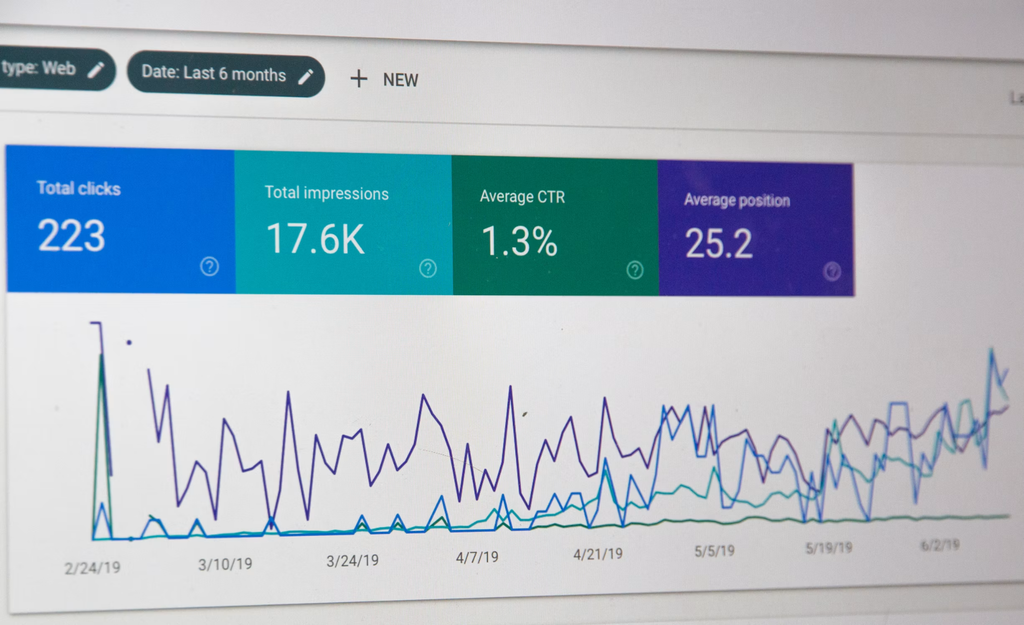
Search Engine Optimization decisions become less effective when website owners do not regularly review their search performance. Small problems may continue unnoticed because there is no clear understanding of which pages are losing visibility or failing to attract visitors. Google Search Console provides useful information about impressions, clicks, average positions, and indexing status. Google Analytics can also help website owners understand how visitors interact with their content after arriving.
Monitoring these tools makes it easier to identify unusual changes and investigate possible causes. However, a decline in traffic does not always mean a technical mistake has occurred. Search demand, competition, algorithm changes, and seasonal trends can also affect performance. Regular analysis helps website owners separate genuine SEO problems from normal fluctuations. Making improvements based on reliable data is more effective than changing website content without understanding the underlying issue.
How Regular SEO Audits Help Prevent Bigger Problems
A regular SEO audit helps website owners evaluate the technical condition, content quality, and search performance of their websites. It can reveal small problems before they spread across multiple pages or become more difficult to resolve. An effective audit examines important areas such as indexing, internal links, metadata, content relevance, website performance, and mobile usability. Each issue should be evaluated according to its potential effect on users and organic search visibility.
Not every SEO problem requires immediate action. Website owners should prioritize issues affecting important pages, preventing indexing, or making the website difficult to use. Professional SEO support can also help businesses develop a more organized approach to website maintenance. Identifying the causes of performance problems and applying appropriate solutions supports a healthier website structure. Consistent monitoring and thoughtful optimization are more valuable than making large changes only after rankings have declined.
Conclusion
Small SEO mistakes can gradually develop into bigger website ranking problems when they remain unresolved. Weak keyword optimization, broken internal links, outdated content, indexing errors, and poor mobile usability can all affect website performance in different ways. However, not every small mistake directly causes ranking losses. The overall impact depends on the seriousness of the issue, the pages affected, and how effectively the website meets user needs. Businesses can reduce these risks by reviewing their websites regularly, maintaining accurate content, and addressing technical problems before they become more widespread. Smart Leading Solution helps businesses improve their SEO strategies through website optimization and search performance improvements. Long-term SEO success requires consistent attention to content quality, technical health, and user experience. By identifying problems early and making informed improvements, website owners can build a stronger foundation for sustainable organic search growth.