
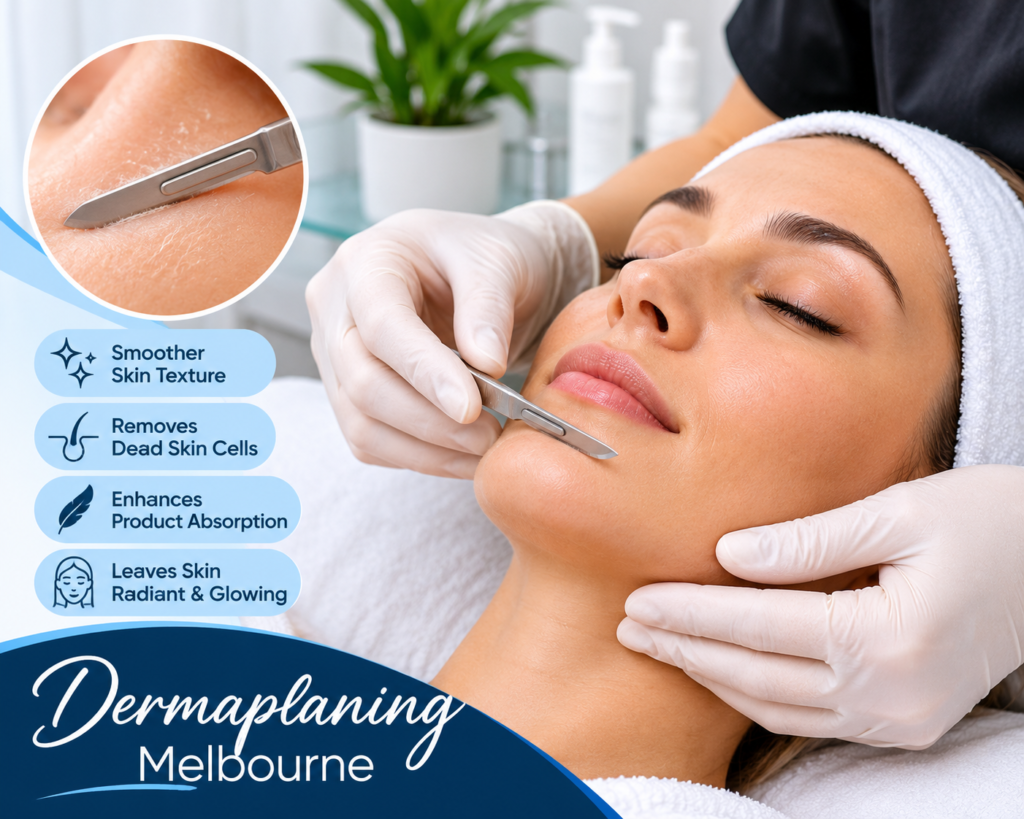
Did you just have your first dermaplaning treatment and wonder what comes next? Perhaps you’re curious about how to keep that silky-smooth feeling lasting as long as possible? Or maybe you’re concerned about potential side effects and want to know exactly how to care for your freshly treated skin?
Dermaplaning has become incredibly popular across Australia, and for good reason. This gentle exfoliation treatment removes dead skin cells and peach fuzz, leaving your face looking radiant and feeling baby-soft. However, what you do in the hours and days following your treatment can make or break your results. Proper aftercare isn’t just a nice-to-have—it’s absolutely essential for achieving that healthy glow you’re after.
In this guide, we’ll walk you through everything you need to know about caring for your skin post-dermaplaning. From immediate steps to take in the first 48 hours, through to long-term maintenance tips, you’ll discover how to protect your investment and keep your skin looking its absolute best. We’ll also cover common side effects, which products to avoid, and when to book your next session. Let’s get started!
What Happens to Your Skin After Dermaplaning?
Understanding Your Skin’s Healing Process
During dermaplaning, a trained professional uses a sterile surgical blade to gently scrape away the outermost layer of dead skin cells and fine vellus hair. This process reveals fresh, new skin underneath—but this newly exposed layer is more delicate than your regular skin surface.
Think of it like this: your skin has been wearing a protective coat, and now you’ve removed it. The fresh skin underneath needs time to build up its natural defences again. Your skin barrier, which normally protects against environmental stressors and locks in moisture, is temporarily compromised.
During the healing process, your skin works overtime to regenerate and strengthen itself. This typically takes around 24 to 72 hours, during which your skin may feel slightly sensitive or tight. Understanding this process helps you appreciate why specific aftercare steps are so important.
What Should Your Skin Look and Feel Like Post-Treatment?
Immediately after dermaplaning, your skin should look brighter and feel incredibly smooth. Many people describe it as having a “glass skin” appearance. Some mild redness is completely normal and usually fades within a few hours.
Your skin might feel slightly tighter than usual, almost like a mild sunburn sensation. This is your skin’s natural response to exfoliation and nothing to worry about. However, if you experience severe burning, swelling, or prolonged redness lasting more than 24 hours, it’s worth checking in with your skincare professional.
Immediate Aftercare: The First 24-48 Hours
How to Cleanse Your Face After Dermaplaning
The first 24 to 48 hours after your treatment are critical. When it comes to cleansing, gentle is the name of the game. Skip your regular cleanser if it contains any active ingredients and opt for a simple, fragrance-free option instead.
Use lukewarm water—never hot—and apply your cleanser with soft, gentle motions. Avoid using any cleansing devices, brushes, or washcloths during this period. Your fingertips are your best tools right now. Pat your face dry with a clean, soft towel rather than rubbing.
Should You Moisturise Straight Away?
Absolutely! In fact, hydration is your skin’s best friend after dermaplaning. Apply a gentle, hydrating moisturiser immediately after cleansing to help support your skin barrier.
Look for products containing hyaluronic acid, ceramides, or aloe vera. These ingredients provide deep hydration without overwhelming your sensitive skin. Apply your moisturiser while your skin is still slightly damp to lock in extra moisture.
Why You Must Avoid Touching Your Face
Here’s a habit that’s harder to break than you might think—touching your face. Your hands carry bacteria, oils, and dirt that can easily transfer to your freshly exposed skin, potentially causing breakouts or irritation.
For the first couple of days, make a conscious effort to keep your hands away from your face. This includes avoiding picking at any dry patches that might appear. If you absolutely must touch your face, wash your hands thoroughly first.
Sun Protection: Your Non-Negotiable Step
How Long After Dermaplaning Should You Avoid the Sun?
Sun protection after dermaplaning isn’t optional—it’s critical. Your newly revealed skin is significantly more susceptible to UV damage, which can lead to hyperpigmentation, premature ageing, and other complications.
Ideally, you should limit direct sun exposure for at least one week following your treatment. If you need to be outdoors, wear a wide-brimmed hat and seek shade whenever possible. Early morning or late afternoon outings are safer than midday sun exposure.
Choosing the Right SPF for Post-Dermaplaning Skin
When selecting a sunscreen, opt for a broad-spectrum SPF of at least 30, though SPF 50 is even better during this sensitive period. Mineral sunscreens containing zinc oxide or titanium dioxide are generally gentler on freshly treated skin than chemical alternatives.
Apply your sunscreen generously—most people don’t use nearly enough. Reapply every two hours if you’re spending time outdoors, and don’t forget often-missed areas like your ears and jawline.
Can You Wear Makeup After Dermaplaning?
While many people love how smoothly makeup applies after dermaplaning, it’s best to give your skin a break for at least 24 hours. This allows your skin to breathe and reduces the risk of clogged pores or irritation.
When you do return to makeup, start with mineral-based products that are less likely to cause issues. Thoroughly clean your brushes and sponges before use to avoid introducing bacteria to your sensitive skin.
Products to Avoid After Dermaplaning
Why You Should Skip Exfoliants and Acids
Your skin has just undergone significant exfoliation, so adding more exfoliating products into the mix is a recipe for disaster. Avoid all physical scrubs, AHAs (like glycolic acid), BHAs (like salicylic acid), and enzyme exfoliants for at least one week.
Using these products too soon can cause over-exfoliation, leading to redness, irritation, sensitivity, and even damage to your skin barrier. Your fresh skin simply isn’t ready to handle these powerful ingredients yet.
Retinol After Dermaplaning: When Is It Safe?
Retinol lovers, you’ll need to exercise some patience here. This powerful ingredient should be avoided for at least five to seven days post-treatment. Retinol can be incredibly irritating on freshly dermaplaned skin.
When you do reintroduce retinol, start slowly. Consider using it every other night for the first week back, then gradually increase frequency as your skin tolerates it.
The Best Skincare Routine After Dermaplaning
Gentle Cleansers and Hydrating Serums
Building a simple, effective routine is key. Start with a cream or gel cleanser that’s free from active ingredients. Follow with a hydrating serum—hyaluronic acid is your best bet during this healing period.
Layer your products from thinnest to thickest consistency, allowing each to absorb before applying the next. This helps maximise absorption and effectiveness.
Long-Term Aftercare Tips for Lasting Results
How Often Should You Get Dermaplaning Done?
Most skincare professionals recommend dermaplaning every three to four weeks, aligning with your skin’s natural cell turnover cycle. However, this can vary based on your individual skin type and concerns.
Maintaining Your Results Between Treatments
Keep your skin healthy between sessions by maintaining a consistent skincare routine, staying hydrated, getting enough sleep, and protecting your skin from the sun daily. These simple habits will extend your results and keep your complexion glowing.
Glowing Skin Starts With Proper Aftercare
Taking care of your skin after dermaplaning doesn’t have to be complicated. The key points to remember are: keep things gentle, prioritise hydration, protect yourself from the sun, and avoid active ingredients for at least a week. These simple steps will help you get the most from your treatment.
Your freshly dermaplaned skin is like a blank canvas—beautiful and ready to absorb all the goodness you give it. By following these aftercare tips, you’re setting yourself up for stunning, long-lasting results that’ll have everyone asking about your skincare secrets.
So there you have it—everything you need to know about caring for your skin post-dermaplaning. Now go ahead and enjoy that gorgeous, glowing complexion you’ve earned!