
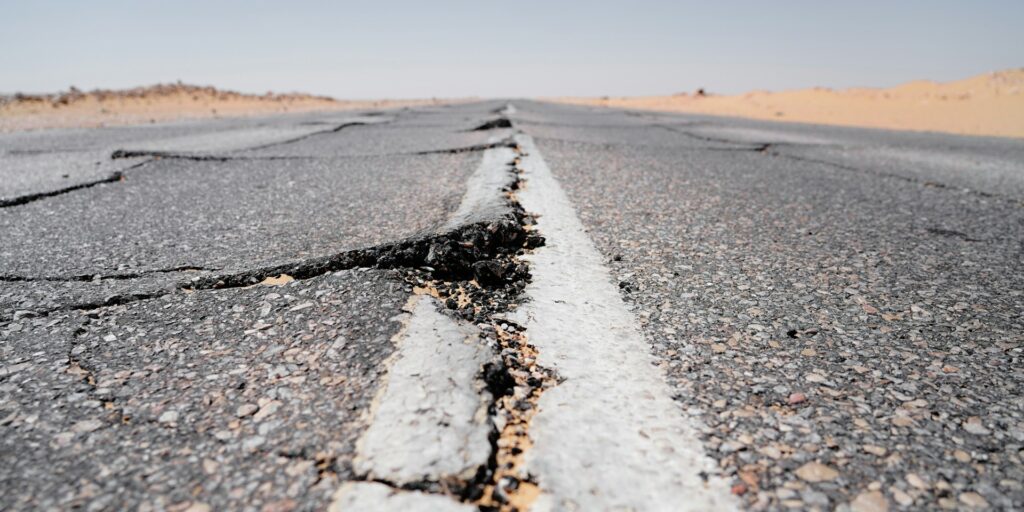
Asphalt surfaces play an important role in keeping residential driveways, commercial car parks, access roads, and private pathways safe and functional. However, regular vehicle traffic, changing weather conditions, water penetration, and natural wear can gradually damage even well-constructed asphalt. Small cracks can develop into potholes, uneven patches, and larger surface failures if they are not addressed in time.
For property owners and businesses, timely asphalt maintenance is essential to protect their investment and maintain a clean, professional appearance. Professional Asphalt Repairs Malvern services can help restore damaged surfaces, improve safety, and extend the lifespan of existing pavement without always requiring a complete replacement.
Whether you are dealing with cracks in a residential driveway or deteriorating asphalt in a busy commercial parking area, understanding the repair process can help you make informed decisions about maintaining your property.
Why Asphalt Surfaces Need Regular Maintenance
Asphalt is a popular paving material because it provides a smooth driving surface, offers flexibility under traffic loads, and can be maintained relatively easily. Nevertheless, it is not completely resistant to damage.
Over time, asphalt surfaces may experience deterioration for several reasons. Water can seep through small cracks and weaken the underlying layers. Repeated vehicle movements place pressure on the pavement, while temperature changes can contribute to expansion, contraction, and surface cracking.
In areas with frequent vehicle traffic, these problems may develop more quickly, particularly where drainage is poor or the original pavement was not installed on a properly prepared foundation.
Regular inspections help identify early warning signs before the damage spreads. Addressing minor issues promptly can reduce the likelihood of expensive repairs and help maintain a safer surface for drivers and pedestrians.
Common Asphalt Problems in Malvern
Property owners in Malvern may encounter several types of asphalt damage depending on the age of the pavement, traffic levels, drainage conditions, and maintenance history.
1. Asphalt Cracks
Cracks are among the earliest signs of pavement deterioration. They may appear as thin lines, interconnected patterns, or larger openings across the surface.
Cracks can develop because of ageing asphalt, repeated traffic loads, movement in the underlying ground, or moisture penetration. If left untreated, water may enter through these openings and weaken the pavement structure.
Professional crack sealing and suitable patching methods can help prevent further deterioration when the surrounding asphalt remains structurally sound.
2. Potholes
Potholes form when weakened asphalt breaks apart, often following water infiltration and repeated vehicle pressure. They can create an uncomfortable driving experience and potentially damage tyres, wheels, and vehicle suspension systems.
Potholes also present trip hazards for pedestrians, making prompt repairs particularly important in commercial properties, shared driveways, and parking areas.
Depending on the extent of the damage, repairs may involve removing the affected asphalt, preparing the base, and installing suitable replacement material.
3. Uneven and Sunken Asphalt
Sunken sections can occur when the underlying base becomes unstable, compacts unevenly, or is affected by water movement. These depressions can collect rainwater and contribute to further pavement deterioration.
Simply covering the depression with a thin layer of asphalt may not provide a lasting solution. The underlying cause should be assessed so the appropriate repair method can be selected.
4. Surface Wear and Loose Aggregate
As asphalt ages, the binding material may deteriorate, allowing small stones and aggregate to loosen from the surface. This process can make the pavement rough, less attractive, and more vulnerable to water penetration.
Depending on the condition of the pavement, treatments such as resurfacing or other suitable surface rehabilitation methods may help restore its functionality.
Benefits of Professional Asphalt Repairs Malvern
Choosing an appropriate repair method can make a significant difference to the performance and longevity of your pavement.
Improved Safety
Damaged asphalt can create hazards for vehicles, cyclists, and pedestrians. Cracks, potholes, and uneven sections increase the risk of trips, falls, and vehicle damage.
Professional repairs help restore a more consistent surface, making driveways, access roads, and parking areas safer to use.
Extended Pavement Lifespan
Repairing damage at an early stage can prevent moisture and traffic loads from causing more extensive deterioration. Timely maintenance may delay the need for major reconstruction and help property owners get more value from their existing pavement.
Better Property Appearance
The condition of your driveway or car park influences how visitors perceive your property. Cracked, faded, and uneven asphalt can make a residential or commercial site appear neglected.
Well-maintained pavement creates a cleaner, more organised appearance and supports the overall presentation of your property.
Reduced Long-Term Maintenance Costs
Small repairs are often more manageable than addressing widespread pavement failure. Although the right solution depends on the severity of the damage, regular inspections and timely maintenance can help control future repair expenses.
Different Methods Used for Asphalt Repairs
Not every asphalt problem requires the same treatment. A professional assessment helps determine whether localised repairs, surface treatment, or more extensive rehabilitation is appropriate.
Crack Sealing
Crack sealing involves cleaning suitable cracks and filling them with an appropriate sealing material. This helps limit water penetration and can slow further deterioration.
It is generally most effective when the surrounding asphalt remains in reasonable condition and the cracks are suitable for sealing.
Asphalt Patching
Patching is commonly used to repair potholes, broken sections, and localised areas of pavement failure.
Depending on the repair requirements, the damaged asphalt may be cut out or removed before the area is prepared and filled with new asphalt material. Proper preparation and compaction are important for achieving a durable repair.
Asphalt Resurfacing
When the existing pavement has widespread surface wear but retains a suitable underlying structure, resurfacing may be an effective option.
This process typically involves preparing the existing surface and applying a new asphalt layer. It can improve the appearance and usability of the pavement without replacing every underlying layer.
However, resurfacing alone may not solve structural problems or unstable foundations.
Full-Depth Asphalt Repair
Where damage extends into the underlying pavement layers, a deeper repair may be necessary. This can involve removing the damaged asphalt, repairing the base, and rebuilding the affected section.
Although this approach can require more work, addressing the underlying cause is important for reducing the risk of recurring damage.
How to Choose the Right Asphalt Repair Contractor
Selecting an experienced contractor is an important step in achieving a reliable result. Before proceeding with any repair project, consider the following factors.
- Relevant experience: Look for contractors with experience repairing driveways, commercial parking areas, access roads, and similar asphalt surfaces.
- Proper assessment: A reliable contractor should inspect the damaged area and explain whether the problem is superficial or related to the underlying structure.
- Suitable repair methods: The recommended solution should reflect the type of damage, pavement condition, drainage, and expected traffic.
- Transparent quotations: Ask for a clear breakdown of preparation work, materials, labour, and any additional requirements.
- Workmanship and maintenance advice: Discuss expected durability, suitable curing or reopening times, and maintenance recommendations after completion.
It is also useful to review previous projects and customer feedback to understand the contractor’s approach to quality and service.
For property owners comparing local providers, researching Asphalt Repairs Malvern can help identify businesses offering relevant repair services. Contact shortlisted contractors directly to confirm their experience, availability, and suitability for your particular project.
How to Maintain Asphalt After Repairs
Once repairs are completed, a few practical maintenance measures can help preserve the surface.
First, inspect the pavement periodically for new cracks, loose aggregate, and areas where water collects. Early identification allows you to address developing problems before they become extensive.
Second, keep drains and nearby drainage channels clear of leaves, dirt, and other obstructions. Effective drainage helps prevent water from remaining on the surface or entering vulnerable pavement layers.
Third, avoid exposing newly repaired areas to traffic before the contractor confirms they are ready for use. The appropriate waiting period depends on the materials, weather, and repair method.
Finally, arrange professional inspections when you notice recurring potholes, widespread cracking, or repeated sinking. These symptoms may indicate an underlying issue that routine surface patching will not resolve.
When Should You Repair or Replace Asphalt?
The decision between repairing and replacing asphalt depends on the overall condition of the pavement.
If the damage is limited to a few cracks or isolated potholes and the foundation remains stable, targeted repairs may be sufficient. If the surface has widespread deterioration but remains structurally sound, resurfacing may be worth considering.
However, when the pavement has extensive structural failure, significant base damage, or recurring problems across multiple areas, reconstruction may provide a more suitable long-term solution.
A professional inspection can help establish the extent of the damage and compare the likely costs and benefits of each option. The cheapest immediate repair is not always the most economical choice over the long term.
Conclusion
Maintaining asphalt surfaces is about more than appearance. Proper repairs help improve safety, protect the pavement structure, reduce ongoing maintenance requirements, and preserve the usability of residential and commercial properties.
From crack sealing and pothole patching to resurfacing and full-depth repairs, the right approach depends on the cause and extent of the damage. Regular inspections, effective drainage, and timely professional attention can all contribute to a longer-lasting asphalt surface.
If your driveway, car park, or access road is showing signs of deterioration, consider arranging an assessment before the damage spreads. Investing in suitable Asphalt Repairs Malvern can help restore a smoother surface and keep your pavement in better condition for years to come.
For the best results, choose a contractor who assesses the underlying problem, recommends an appropriate repair method, and explains how to maintain the surface after the work is completed.