
Have you ever walked past a beautiful Victorian sideboard at a market and wondered how on earth anyone keeps these pieces looking so gorgeous? Or perhaps you’ve inherited your grandmother’s beloved dining table, and now you’re panicking about how to care for it properly? Maybe you’re simply curious about whether that charity shop find is worth the effort of restoration?
You’re not alone in these thoughts. Vintage furniture has a charm that modern pieces simply can’t replicate. These items carry stories, craftsmanship, and a quality that stands the test of time. But here’s the thing – they also need proper care to maintain their beauty and value for years to come.
In this guide, we’ll explore everything you need to know about maintaining your vintage furniture melbourne. From identifying wood types to cleaning techniques, protecting against damage, and knowing when to call in the professionals, we’ve got you covered. Whether you’re a seasoned collector or just starting your journey into the world of vintage pieces, these practical tips will help you preserve your treasures for generations. Let’s get stuck into it!
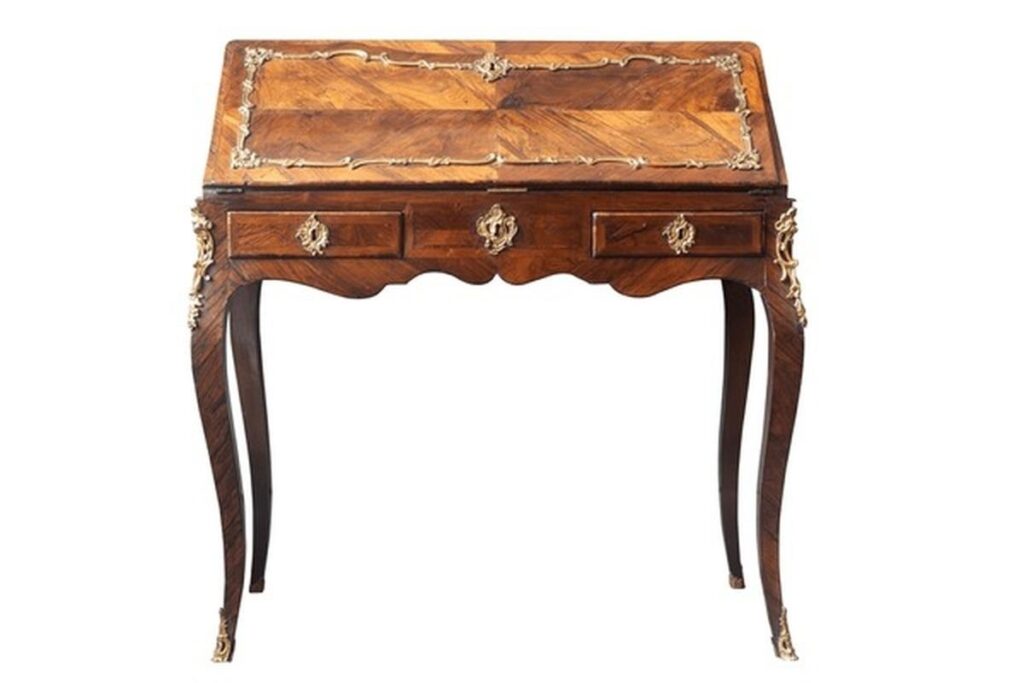
Understanding Your Vintage Furniture
Before you grab any cleaning products, it’s crucial to understand what you’re working with. Different materials require different approaches, and getting this wrong could damage your precious pieces.
Identifying Different Wood Types and Materials
Most vintage furniture features hardwoods like oak, mahogany, walnut, or cedar. Each has distinct characteristics. Oak has a prominent grain pattern and feels quite heavy. Mahogany tends to have a reddish-brown hue that deepens with age. Walnut offers rich, chocolate tones with a smooth grain.
Beyond wood, your pieces might include veneer, which is a thin layer of decorative wood over a base material. Upholstered items may feature horsehair, cotton wadding, or early foam. Understanding these materials helps you choose appropriate cleaning and maintenance methods.
How Do I Know If My Furniture Is Truly Vintage or Antique?
This question comes up constantly among collectors. Generally, ‘antique’ refers to items over 100 years old, while ‘vintage’ typically describes pieces between 20 and 100 years old. Look for construction clues like dovetail joints, which were hand-cut until the late 1800s. Machine-cut dovetails became common afterwards.
Check for manufacturer’s marks, stamps, or labels hidden underneath drawers or on the back. The type of screws used can also help – handmade screws with irregular threads suggest pre-1850s construction. When in doubt, consult a professional appraiser.
Assessing the Current Condition of Your Pieces
Give each piece a thorough once-over before starting any maintenance. Look for loose joints, cracked wood, water stains, or pest damage. Check drawers for smooth operation and examine hardware for rust or corrosion. This assessment helps you prioritise which pieces need immediate attention and which simply need routine care.
Essential Cleaning Techniques for Vintage Furniture
Cleaning vintage furniture isn’t like wiping down your modern IKEA bookshelf. These pieces demand a gentler, more considered approach.
What Is the Best Way to Clean Old Wooden Furniture?
Start with the least invasive method: a soft, dry cloth to remove dust. For slightly grimier surfaces, dampen your cloth with a solution of mild dish soap and warm water. Wring it out thoroughly – you want it barely damp, not wet. Wipe in the direction of the grain, then immediately dry with a clean cloth.
Avoid harsh chemicals, ammonia-based cleaners, or anything abrasive. These can strip finishes and damage the wood permanently. For stubborn grime, a mixture of equal parts white vinegar and olive oil works wonders on most wooden surfaces.
Safe Cleaning Methods for Upholstered Vintage Pieces
Upholstery requires extra caution. Vacuum regularly using a soft brush attachment to prevent dust accumulation. For spot cleaning, test any solution on an inconspicuous area first. A mixture of mild soap and water usually works for most fabrics.
For delicate or antique textiles, consider professional cleaning. Some vintage fabrics are incredibly fragile and can disintegrate with improper handling. When in doubt, err on the side of caution.
Caring for Metal Hardware and Fixtures
Original hardware adds significant value to vintage furniture melbourne. Clean brass or copper with a paste of lemon juice and baking soda, applied gently with a soft cloth. For iron or steel, a light application of mineral oil prevents rust. Never use abrasive cleaners that could scratch or damage these components.
How Often Should You Clean Antique Furniture?
Light dusting should happen weekly. More thorough cleaning every few months is usually sufficient for pieces in regular use. Items in storage benefit from a good clean before being put away and again when retrieved. Over-cleaning can actually damage vintage pieces, so resist the urge to polish constantly.
Protecting Your Vintage Furniture from Damage
Prevention is always better than cure, especially with irreplaceable vintage items.
Managing Humidity and Temperature in Australian Climates
Australia’s climate presents unique challenges. Extreme heat, high humidity in coastal areas, and dry conditions inland can all wreak havoc on vintage furniture. Wood expands and contracts with humidity changes, potentially causing cracks or warping.
Aim to maintain indoor humidity between 40-60%. Use dehumidifiers in humid regions and humidifiers during dry spells. Keep furniture away from air conditioning vents and heating sources that create rapid temperature fluctuations.
How Do You Protect Vintage Furniture from Sunlight?
Direct sunlight is your vintage furniture’s enemy. UV rays fade finishes, bleach wood, and degrade upholstery fibres. Position pieces away from windows where possible. Use UV-filtering curtains or window films in rooms with precious furniture.
If relocation isn’t possible, rotate items regularly to ensure even light exposure. This prevents dramatic colour differences across surfaces.
Preventing Pest Infestations and Woodworm
Woodworm and other pests love vintage furniture, particularly pieces stored in damp conditions. Look for small exit holes – about 1-2mm in diameter – which indicate woodworm activity. Fine sawdust beneath furniture is another warning sign.
Treat active infestations promptly with appropriate woodworm treatment products. For valuable pieces, professional fumigation may be necessary. Regular inspection helps catch problems early.
Using Protective Covers and Pads
Felt pads under decorative objects prevent scratches. Coasters and placemats protect dining tables from heat and moisture. Consider breathable dust covers for pieces not in regular use, but avoid plastic covers that trap moisture.
Restoring and Repairing Vintage Furniture
Sometimes maintenance isn’t enough. Knowing when and how to restore makes all the difference.
Can You Restore Vintage Furniture Yourself?
Many simple repairs are absolutely achievable at home. Tightening loose joints, touching up minor scratches, and replacing worn hardware fall within most people’s capabilities. Start with small projects to build confidence before tackling major restorations.
Simple DIY Fixes for Common Issues
For surface scratches, try rubbing a walnut meat along the scratch – the natural oils can disguise minor damage beautifully. Wobbly legs often just need wood glue applied to loose joints. Water rings on wood surfaces sometimes respond to a paste of baking soda and non-gel toothpaste, rubbed gently with the grain.
When to Call a Professional Restorer
Structural damage, valuable pieces, and complex repairs warrant professional attention. If your furniture has significant monetary or sentimental value, don’t risk DIY disasters. Professional restorers have specialist knowledge and materials that ensure proper treatment.
Does Refinishing Antique Furniture Decrease Its Value?
This is tricky territory. Generally, yes – original finishes add value to antique pieces. Stripping and refinishing can significantly reduce the worth. However, for vintage pieces intended for everyday use rather than investment, refinishing might make sense. Always research your piece’s value before making permanent changes.
Polishing and Preserving the Finish
The right products and techniques keep your furniture gleaming without causing damage.
What Products Should You Use on Antique Wood?
Quality furniture wax remains the gold standard for most vintage pieces. Beeswax-based products nourish wood while providing protection. Apply sparingly – a little goes a long way – and buff thoroughly with a soft cloth.
Natural Oils vs Commercial Polishes
Natural oils like linseed or tung oil penetrate wood, conditioning from within. Commercial polishes often contain silicones that create surface shine but can build up over time. For antique pieces, natural products generally offer safer, longer-term results.
How to Maintain the Original Patina
That warm, aged glow on vintage furniture is called patina, and collectors treasure it. Aggressive cleaning or refinishing destroys this character. Gentle maintenance preserves patina while keeping pieces beautiful.
Storage Tips for Vintage Furniture Collections
Proper storage protects pieces when they’re not on display.
Best Practices for Long-Term Storage
Choose climate-controlled spaces where possible. Avoid garages, sheds, and areas prone to temperature extremes. Clean and polish pieces before storage. Elevate furniture off concrete floors to prevent moisture absorption.
How Do You Store Antique Furniture Safely?
Wrap items in breathable materials like cotton sheets or moving blankets. Avoid plastic wrap that traps moisture. Store drawers separately to reduce weight on casings. Position upholstered items off the ground and cover to prevent dust accumulation.
Creating a Maintenance Schedule for Your Collection
Consistency is key to preserving vintage furniture. Create a simple calendar noting when each piece was last cleaned, polished, and inspected. Set quarterly reminders for thorough checks and annual deep-cleaning sessions. Document any damage or changes you notice – this helps track deterioration and informs restoration decisions.
Preserving Your Vintage Treasures for Generations
Maintaining vintage furniture doesn’t require expert knowledge or expensive products. It simply demands attention, appropriate care, and a bit of regular effort. By understanding your pieces, cleaning them properly, protecting them from environmental damage, and knowing when professional help is needed, you’ll keep your collection beautiful for decades.
The small investment of time you make in maintenance pays enormous dividends. These pieces connect us to the past, showcase incredible craftsmanship, and often increase in value when properly cared for. Plus, there’s something deeply satisfying about preserving beautiful objects that will outlast us.
So, grab that soft cloth and get started! Your vintage treasures deserve the care, and future generations will thank you for your efforts. Whether you’ve got one beloved chair or an extensive collection, these maintenance steps will help you enjoy your vintage furniture for many years to come. Happy preserving!