
Have you ever walked into an office and immediately felt inspired? Or perhaps you’ve experienced the opposite—a drab, uninspiring space that makes you want to clock off before you’ve even started? What if your workspace could boost productivity, impress clients, and make your team genuinely excited to come to work?
A complete office fit out transforms an empty shell or outdated space into a fully functioning, beautifully designed workplace. It’s much more than slapping on a coat of paint and buying some desks. We’re talking about a comprehensive process that covers everything from initial concept and design through to construction, installation, and that satisfying final handover.
In this guide, you’ll discover exactly what goes into a professional complete office fit out, the different types available, and how much you can expect to invest. We’ll also walk you through the entire process from start to finish, help you choose the right contractor, and share tips for avoiding common pitfalls. Whether you’re moving into a brand-new premises or breathing life into a tired existing space, this article has got you covered.
Types of Complete Office Fit Out Explained
What Is a Category A Fit Out?
A Category A (Cat A) fit out covers the basic building services and finishes. Think of it as the blank canvas. This typically includes raised floors, suspended ceilings, basic mechanical and electrical services, fire detection systems, and essential lighting.
Landlords often provide Cat A fit outs to make the space ready for tenants to personalise. You’ll get a functional shell, but it won’t feel like a working office just yet.
What Is a Category B Fit Out?
This is where the magic happens. A Category B (Cat B) fit out transforms that blank canvas into a fully operational workspace tailored to your business needs. It includes partitioning, meeting rooms, reception areas, kitchens, branding elements, furniture, and all the finishing touches.
Cat B is essentially the personality of your office. It reflects your company culture, supports your team’s workflow, and creates the environment where business actually happens.
Shell and Core vs Which Type Does Your Business Need?
Shell and core fit-outs are even more basic than Cat A. You’re essentially getting the building structure with external walls, but minimal internal work. This option suits businesses wanting complete control over every aspect of their space.
So, which type do you need? If you’re moving into a newly constructed building, you might need both Cat A and Cat B. Taking over an existing fitted space? A Cat B refresh might be all that’s required. Your fit out specialist can assess your specific situation and recommend the best approach.
The Complete Office Fit Out Process: From Concept to Completion
Initial Consultation and Needs Assessment
Every successful fit out starts with understanding your business. During the initial consultation, your fit out partner will explore your objectives, team requirements, growth plans, and budget expectations.
This discovery phase is crucial. It’s about identifying how your people work, what technology you need, and what impression you want to create. A thorough needs assessment prevents costly changes down the track.
Space Planning and Design Development
Next comes the creative work. Space planners and designers develop layouts that maximise your floor area while creating functional zones for different activities. You’ll see concepts evolve through sketches, 3D renders, and detailed drawings.
This stage involves plenty of collaboration. You’ll review designs, provide feedback, and refine the vision until it perfectly matches your requirements.
How Long Does a Complete Office Fit Out Take?
Timelines vary significantly depending on scope and complexity. A straightforward Cat B fit out for a small office might take 6-8 weeks. Larger projects involving structural changes can extend to 4-6 months or longer.
Your contractor should provide a detailed programme with key milestones. Building in contingency time for unexpected issues is always wise.
Construction, Installation, and Final Handover
Once designs are approved, the build phase begins. This includes all construction work, electrical and data cabling, joinery, flooring, painting, and furniture installation.
The final handover involves thorough inspections and snagging, identifying and fixing any minor defects. You should receive all documentation, warranties, and maintenance guides before signing off.
Choosing the Right Complete Office Fit Out Company
What to Look for in a Contractor
Experience matters enormously. Look for a fit out specialist with a strong portfolio of similar projects. Check their credentials, insurance coverage, and industry accreditations.
Client testimonials and case studies reveal a lot about working relationships and outcomes. A reputable contractor will happily provide references you can contact directly.
Questions to Ask and Red Flags to Avoid
Ask about their project management approach, communication processes, and how they handle variations. Request a detailed breakdown of costs and timelines.
Be wary of quotes that seem unusually cheap; this often signals corners being cut. Vague contracts, reluctance to provide references, or poor communication during the quoting phase are warning signs worth heeding.
Key Elements of a Successful Complete Office Fit Out
Maximising Natural Light and Flexible Workspaces
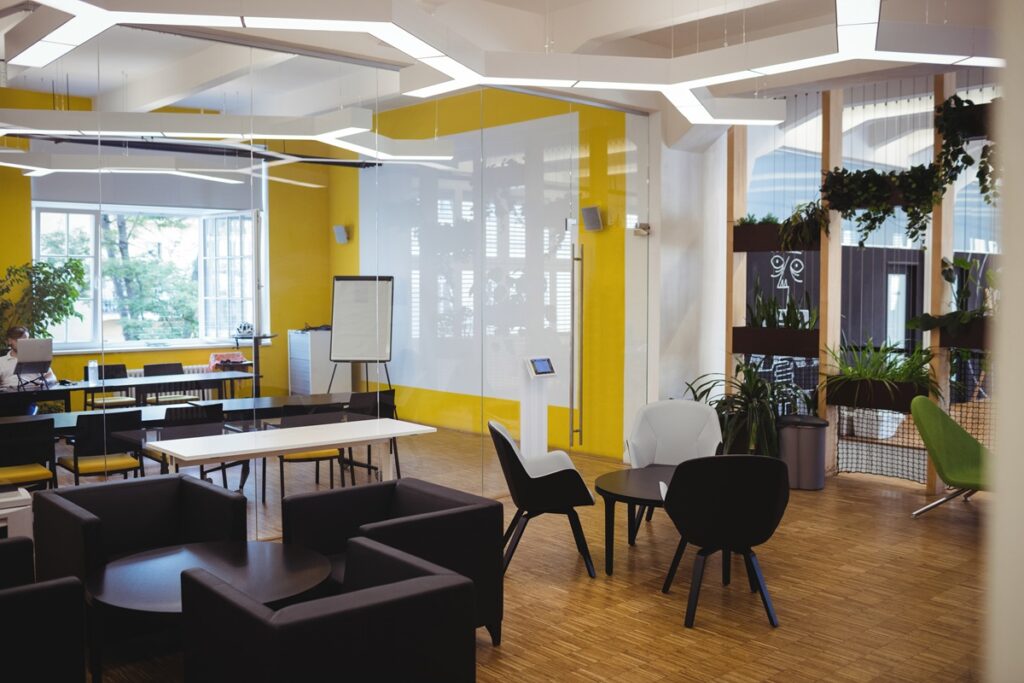
Natural light dramatically improves employee wellbeing and productivity. Position workstations near windows where possible. Use glass partitions instead of solid walls to allow light flow throughout the space.
Flexibility is equally important. Incorporate breakout areas, quiet zones, and collaborative spaces. Hot desking arrangements and modular furniture allow your office to adapt as needs change.
Technology Integration and Sustainability
Modern workplaces demand robust technology infrastructure. Plan for adequate power outlets, data points, and wireless connectivity throughout. Consider future-proofing with capacity for emerging technologies.
Sustainability isn’t just good ethics, it’s good business. Energy-efficient lighting, recycled materials, and low-emission finishes reduce operating costs while demonstrating corporate responsibility. Many clients and employees actively value eco-friendly workplaces.
Common Complete Office Fit Out Challenges
Managing Disruption and Staying on Track
Fit out works inevitably cause some disruption. If you’re remaining operational, discuss staging options with your contractor. After-hours or weekend work can minimise impact, though this affects costs.
Budget overruns and delays happen when scope changes mid-project. Lock in your requirements early and resist the temptation to keep adding features. Regular progress meetings help identify issues before they escalate.
Navigating Approvals and Compliance
Council permits, building certifications, and workplace health and safety requirements can be complex. Your fit out company should handle most of this, but understand your obligations as the tenant or owner.
Fire safety, accessibility standards, and ventilation requirements must all be satisfied. Non-compliance can result in costly rectification work or even the inability to occupy your new space.
The Benefits of a Professional Complete Office Fit Out
A well-designed workspace genuinely improves employee productivity and wellbeing. People perform better in environments designed for their work patterns. Reduced noise, better lighting, and comfortable temperatures all contribute.
Your office makes a statement to visitors. A professional fit out creates positive first impressions on clients, partners, and potential recruits. It demonstrates that you’re an established, credible business that invests in its people.
Plus, a thoughtfully planned space accommodates growth and changing work styles. You’re not just solving today’s problems, you’re preparing for tomorrow’s opportunities.
Is It Worth Getting an Complete Office Fit Out?
So, is a complete office fit out worth the investment? Absolutely when done right. The benefits extend far beyond aesthetics. You’re creating an environment where your team thrives, your business functions efficiently, and your brand comes to life.
The key is partnering with experienced professionals who understand your vision and can deliver within your budget. Take time to plan properly, ask plenty of questions, and don’t rush the design phase. The effort you invest upfront pays dividends throughout the life of your workspace.
Ready to transform your office? Start by identifying your priorities and reaching out to reputable fit out specialists for initial consultations. Your perfect workspace is waiting to be created.