
Ever wondered why your energy bills keep climbing despite your best efforts? Could your commercial fridge be secretly draining your profits? And more importantly, are you even using the right refrigeration for your business needs?
Choosing the right commercial fridge isn’t just about keeping things cold. It’s about finding equipment that works as hard as you do, day in and day out. The wrong choice can lead to spoiled stock, sky-high electricity costs, and constant repair headaches. On the flip side, the right fridge becomes a silent partner in your success, keeping products fresh while keeping running costs down.
In this guide, we’ll explore everything you need to know about commercial refrigeration. From understanding what sets commercial units apart from household models to calculating the perfect size for your space, we’ve got you covered. You’ll also discover how to slash energy consumption, avoid common buying mistakes, and keep your unit running smoothly for years to come. Let’s get stuck into it.
How Do I Choose the Best Commercial Fridge for My Business?
Assessing Your Storage Capacity Needs
Start by taking stock of what you’ll actually be storing. Consider your busiest periods and plan for those, not your quiet days. A restaurant might need space for fresh produce, dairy, meats, and prepared items all at once. Meanwhile, a retail shop might focus primarily on beverages.
Make a list of your typical inventory and add a buffer of around 20% for growth. There’s nothing worse than realising you’ve outgrown your fridge six months after purchase.
Understanding Different Commercial Fridge Types
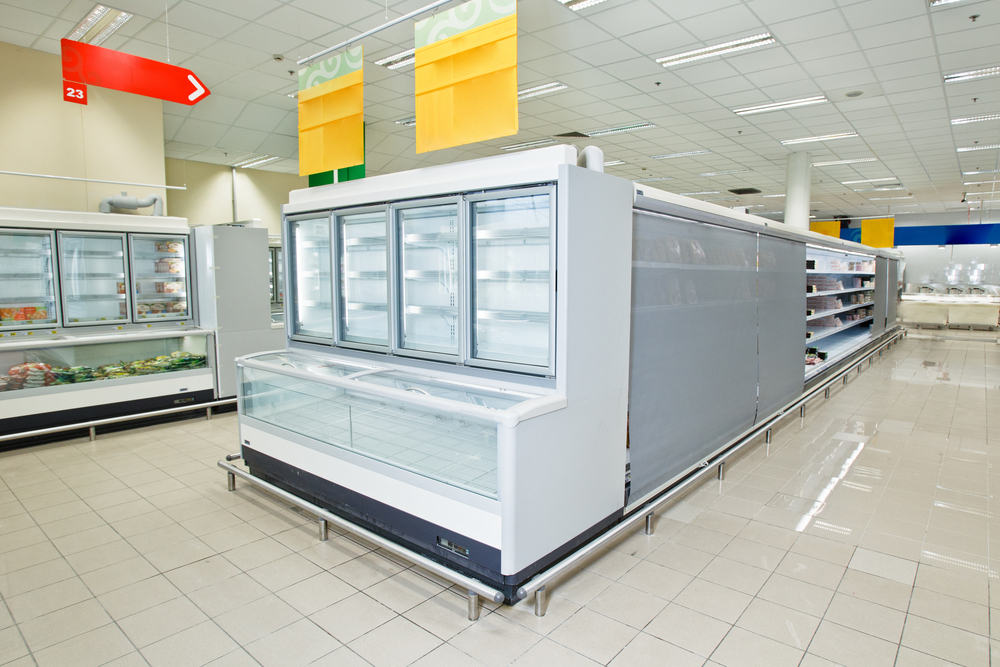
Commercial fridges come in various styles, each suited to different needs. Upright reach-in fridges are perfect for kitchens where staff need quick access to ingredients. Display fridges work brilliantly for retail settings where visibility drives sales.
Undercounter units slot neatly beneath benches, ideal for tight spaces. Walk-in cool rooms suit high-volume operations needing serious storage capacity. Your choice depends on your specific workflow and space constraints.
Matching Fridge Style to Your Industry Requirements
A busy bakery has very different needs from a pub or convenience store. Bakeries often need display cases that showcase products attractively while keeping them fresh. Pubs typically require glass-door bottle fridges for quick service.
Consider your daily operations carefully. How often will staff access the fridge? Do customers need to see products? Answering these questions helps narrow down your options significantly.
What Size Commercial Fridge Do I Need?
Calculating Your Volume Requirements
Getting the size right is crucial. Too small, and you’ll constantly struggle with space. Too large, and you’re wasting money cooling empty air. A good rule of thumb is to allow roughly 30 litres of storage per meal served daily for restaurants.
For retail, calculate based on your product turnover. How quickly do items sell? How often do deliveries arrive? These factors determine whether you need a compact unit or something more substantial.
Space Considerations for Australian Kitchens and Retail Spaces
Australian commercial kitchens often face space constraints, particularly in older buildings. Measure your available space carefully, remembering to account for door clearance, ventilation gaps, and workflow paths.
Allow at least 100mm clearance around the unit for proper airflow. Without adequate ventilation, your fridge works harder, uses more energy, and wears out faster. It’s a detail that makes a big difference.
Energy Efficiency: How Much Power Does a Commercial Fridge Use?
Understanding Energy Ratings and Running Costs
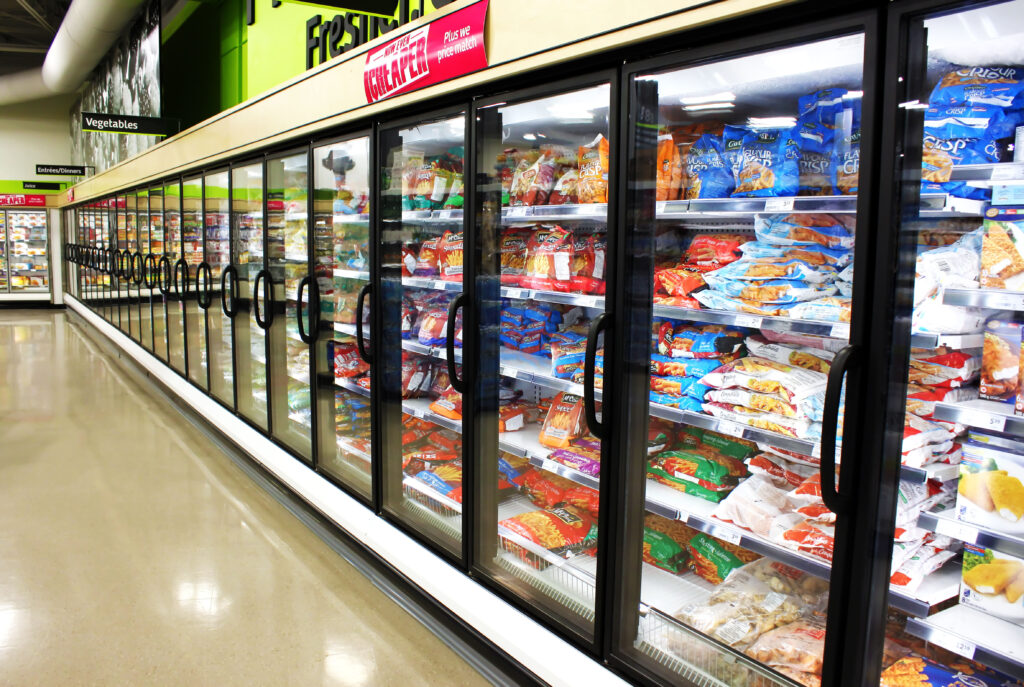
Commercial fridges run 24/7, making energy efficiency a major cost factor. Modern units with high energy ratings can slash your power bills substantially compared to older or cheaper models. Look for units with good Energy Star ratings when shopping.
Running costs vary widely depending on size, age, and efficiency. A typical commercial fridge might cost anywhere from $200 to $800 annually in electricity. Over a ten-year lifespan, that difference adds up fast.
How to Reduce Commercial Refrigeration Energy Consumption
Simple habits make a significant impact on energy use. Keep door seals clean and check them regularly for damage. Avoid overpacking your fridge, as good airflow improves efficiency. Position units away from heat sources like ovens or direct sunlight.
Regular maintenance also helps enormously. Clean condenser coils every few months to keep the compressor running efficiently. These small actions deliver genuine savings over time.
Long-Term Savings vs Upfront Investment
Cheaper fridges often cost more in the long run. A budget unit might save you money today but drain your wallet through higher energy bills and frequent repairs. Quality units from reputable brands typically offer better efficiency and reliability.
Think of your commercial fridge as an investment, not an expense. Spending more upfront often pays dividends through lower running costs and fewer headaches down the track.
What Are the Most Reliable Commercial Fridge Brands?
Top Features to Look for in Quality Units
Beyond brand names, focus on features that matter for your operation. Self-closing doors prevent temperature loss during busy periods. Digital temperature displays make monitoring easy. Adjustable shelving provides flexibility for different product sizes.
Look for units with quality compressors, solid construction, and thoughtful design details. These elements separate reliable workhorses from problematic units that cause constant grief.
Warranty and After-Sales Support Considerations
A good warranty provides peace of mind and protection for your investment. Look for warranties covering both parts and labour, ideally for at least two years. Check what’s actually covered, as some warranties exclude compressors or other critical components.
Equally important is after-sales support. Choose brands with strong service networks in Australia. When your fridge breaks down at midnight before a busy weekend, you’ll want help available fast.
Making the Smart Investment for Your Business
Choosing the right commercial fridge involves balancing multiple factors: size, efficiency, reliability, and cost. It’s not simply about finding the cheapest option or the biggest unit. It’s about finding equipment that fits your specific needs and budget while delivering reliable performance for years to come.
Take time to assess your genuine requirements before shopping. Consider your storage needs, available space, energy costs, and growth plans. Research brands, compare features, and don’t overlook the importance of warranty and after-sales support. These considerations might seem tedious, but they prevent expensive mistakes.
Your commercial fridge is a cornerstone of your operation, working around the clock to keep your products fresh and your business running smoothly. Investing wisely in quality refrigeration pays dividends through lower running costs, reduced waste, and fewer frustrating breakdowns. Make the smart choice now, and your future self will thank you for it.